
19. Joseph and Benjamin

Creeping imminence of departure tangled the minds of the family adults into complicated anxieties and futile plans but my sister and I found cheerful distractions. We had new schools and new friends and there were still some family excursions. Picnics had become difficult because of distances to be travelled through the huge sprawling city before we could reach refreshing countryside. A new treat was Going to the Cinema. The only films I had known were Father Paul’s brief and jerky black and white Chaplin offcuts. Technicolour was a garish new delight and, though I was frightened whenever the Metro-Goldwyn Lion heralded some films, his scary double-roar was very brief. Anticipations of a promised film kept us cheerful through blank weeks.
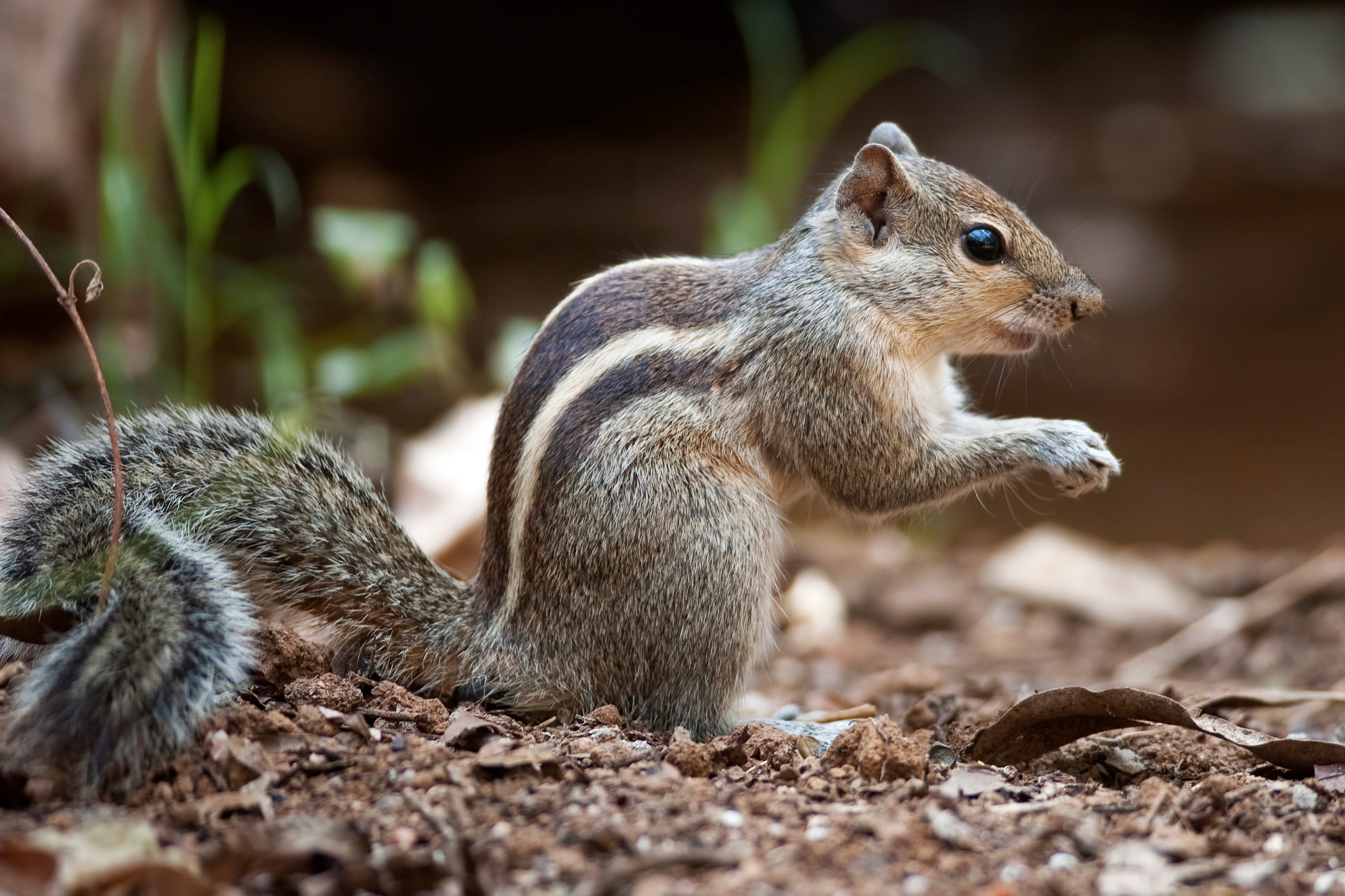
Even better than the cinema were visits to Crawford Market, where samples of every desirable thing in the whole world seemed to be displayed for sale under a vast, dirty glass roof and flights of incontinent trapped sparrows and pigeons. There were wicker baskets of bright vegetables, nose-tingling spices, jewellery and gleaming fabrics with much silver and gold trimming, fresh-killed meat and living pets. I saw a pair of baby palm squirrels and whined and pleaded until my parents bought them, and I named them Joseph and Benjamin. They were grey with black and white back-stripes just like North American chipmunks in zoology books. They were the greatest delight of my life, sucking milk from rolls of cotton wool, voracious for peanuts and banana-bits, sleeping confidently and snugly, in school-blazer-pockets, in my school satchel or in any cosy dark recess. They hardly ever bit and would sit on my shoulders and gently nibble my neck hair. They made a playground of my balcony bedroom and, somehow, clung and scampered across the pebble-dashed outsides of the building walls. Inevitably the tamer and gentler, Joseph, my favourite, was mobbed by crows and fell seven stories to his (or perhaps her) death on the pavement. Benjamin, conspicuously male, survived as a perpetual joy. He would sleep in any dark place I put him, with his bushy tail wrapped round his head and body, or sit on my shoulder and gently investigate my ears. His messes were infrequent and hygienic - tiny, dry, easily disposable pellets. He was brilliantly shameless. When bored he would excite himself by frantically chirruping at nothing at all, or sit on the balcony rail and masturbate with his mouth and front paws. If crows attacked him, he would make his tiny body seem menacing by bushing-out and jerking his tail and scold them with chirruping alarm calls until I ran to drive them off. Joseph had been tamer, without sass or aggression and, like all gentle things, perished for meekness. Benjamin was my first bright lesson that insolent anarchy can bring you perpetual joy if you resolutely manage to have no ideas at all - let alone fret about what others notice or think about you. It began to seem possible to learn this amazing wisdom from his freedom, but I could not cross the boundary into uncaring living by becoming as empty as he was of any notion that there were thoughts in the world - even my own. Benji lived in a permanent present, utterly happy or abjectly terrified, not able, or trying, to imagine whether his next moments would bring banana-bits or crows. For me Catholicism had been indoctrination into perpetual striving to make every shiny bit of now a bargaining counter to negotiate against a threatening future. Benjamin seemed to have no feelings of embarrassment or sin and to know that all instants of living are unique time-jewels, each complete in itself, and that we cloud and distort them if we try to make these fragments of experience lenses to read past or future.
I
Lovely.